
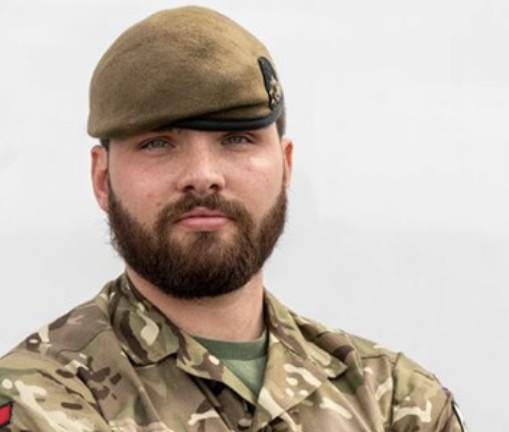
The Ministry of Defence has confirmed the death of Lance Corporal James Stewart Freeman, aged 29, who died during a routine training activity in Iraq on 31 May 2026. Freeman was serving with the 1st Battalion, The Royal Anglian Regiment (The Vikings) as part of Operation SHADER.
Dedicated Soldier's Career
Lance Corporal Freeman joined the Army in June 2016 and quickly established himself as a skilled and committed soldier. He completed initial training at the Infantry Training Centre Catterick and served in multiple international deployments, including South Sudan, Cyprus, the Falklands, Jordan, Romania, and Kenya.
Role And Leadership
Most recently, Freeman held the role of Section Second in Command within the Assault Pioneer Platoon, where he was known for enhancing techniques and equipment. His leadership and dedication earned him respect across his battalion and wider forces deployed in Iraq.
Tributes From Commanders
Colonel James WHM Bishop, Commander British Forces Operation SHADER, said: “I am devastated at the loss of Lance Corporal Freeman. A highly professional Junior Non-Commissioned Officer, he was a trusted leader who brought people together and will be deeply missed by all who served with him.”
Lieutenant Colonel Nick JP McGinley, Commanding Officer, 1st Battalion The Royal Anglian Regiment, said: “He was everything you could wish for in a junior leader – selflessly committed, thoughtful and professional. Our thoughts are with his devoted family at this difficult time.”
Family And Personal Life
Freeman was a devoted family man, proud of his wife and daughter, often sharing stories and spending cherished time with them. Outside the military, he enjoyed outdoor activities such as clay pigeon shooting and gaming late into the night with fellow soldiers.
Official Condolences
Defence Secretary John Healey MP said: “Lance Corporal James Freeman served with dedication and pride. He was a valued member of his regiment who will be deeply missed. My thoughts are with his family, loved ones and colleagues during this devastating time.”
Originally published by UKNIP.